


This article is an updated 2026 version of the popular 50-part Japanese series “Microorganisms, Too Embarrassed to Ask Others About!” (いまさら人には聞けない!微生物のお話), previously published on GMP Platform*.
Over the next several installments, I will explore a wide range of topics related to microorganisms, from the fundamentals to more in-depth insights that are not widely known even among professionals in the field.
Previously…
– Fundamentals of Microbiology [Part 3]
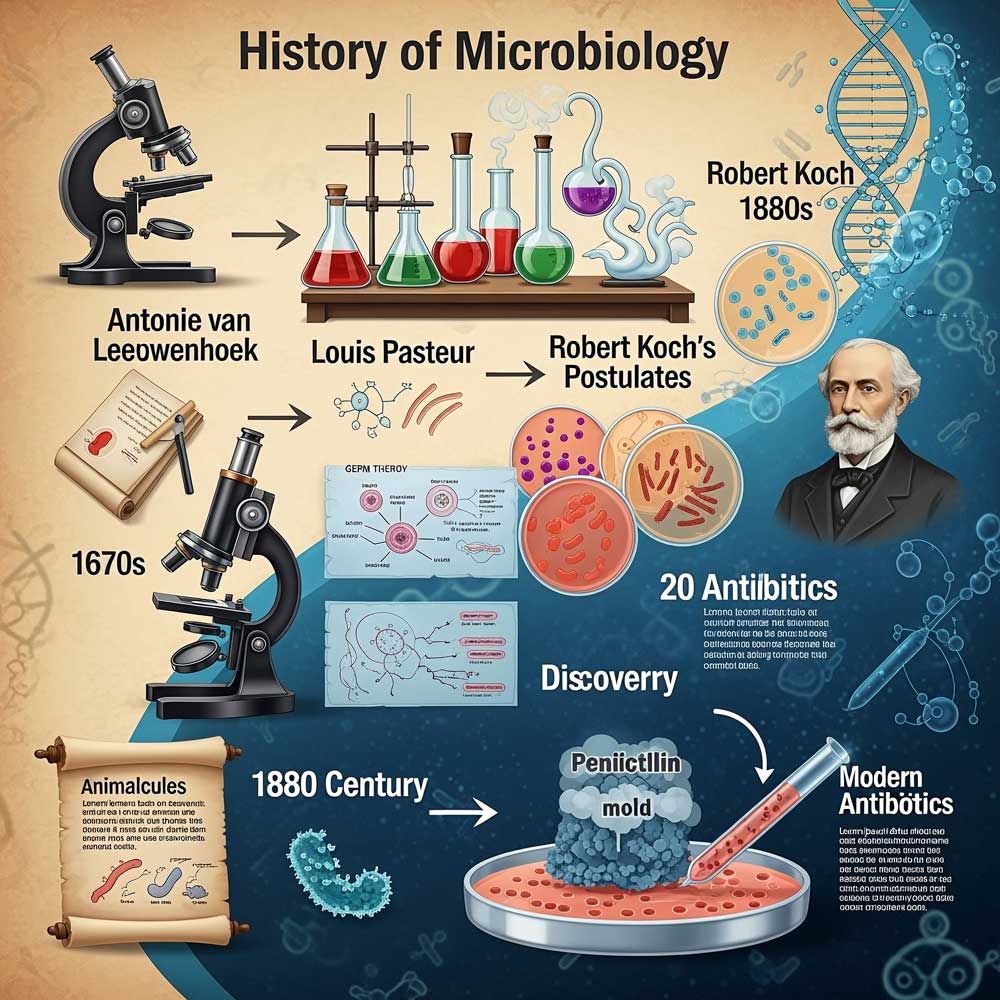
History of Microbiology 2-1
Microorganisms existed long before the appearance of humans, as well as many ancient organisms we know such as dinosaurs and trilobites on Earth. Some dinosaur fossils show clear traces of having suffered from infectious diseases. Our ancestors, primitive humans, would have also known phenomena caused by microorganisms such as disease and spoilage through experience. Alcohol is said to have been known since thousands of years BCE. However, at that time, since individual microorganisms were invisible to the naked eye, they could not be recognized that these were due to the activities of living organisms like humans.
It is said that Antonie van Leeuwenhoek of the Netherlands was the first to observe individual microorganisms as separate living beings. In 1674, he observed lake water and dental plaque using a hand-made microscope and is said to have observed and recorded microorganisms for the first time in history. The magnification of the microscope he used at that time is said to be about 260 times, and this magnification is a bit harsh for observing bacteria. He may have had better eyesight than most people.
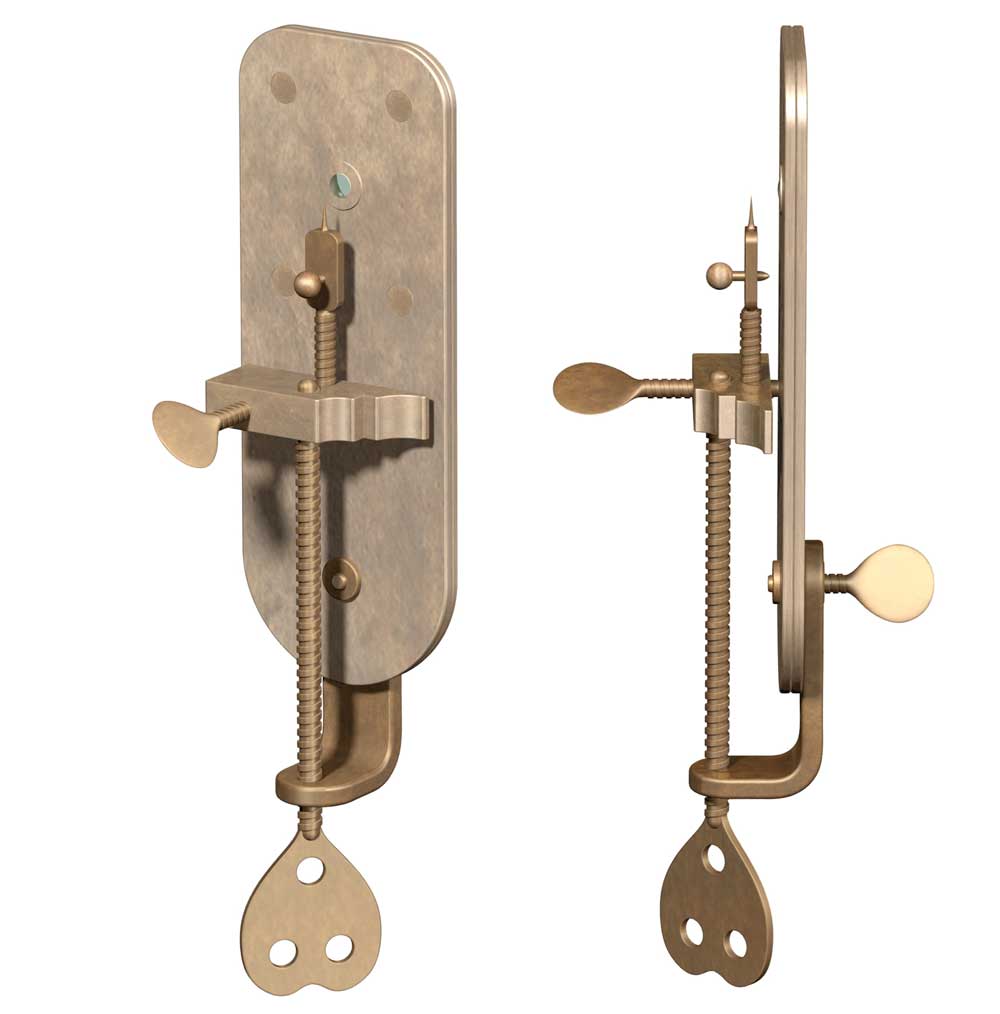
Figure-1 3d illustration of Leeuwenhoek’s Microscope
With the invention of the microscope, it became known that there are small “things” invisible to the human eye in nature. But at that time, it was only that rare things could be seen, and it was not recognized that they cause diseases, spoil food, or are the source of making yogurt or alcohol.
It has long been self-evident that children are born from parents in humans or livestock. But until about 160 years ago, insects, frogs, and even mice were considered lower organisms and were believed to generate spontaneously if conditions such as temperature and food were appropriate. Naturally, microorganisms that can only be seen with a microscope were believed to emerge spontaneously.
Louis Pasteur of France published “On Microorganisms in the Air: Examination of the Theory of Spontaneous Generation” in 1861, negating the traditional theory of spontaneous generation. Since then, microbiology as an academic discipline has developed.
(Pasteur, L. Memoire sur les corpuscles organises qui existent dans l’atmosphere. Examen de la doctrine des generations spontanees. Annales des sciences naturelles, 4th series, Vol 16, 5-98.)
Furthermore, Pasteur developed the chicken cholera vaccine in 1879, the anthrax vaccine in 1881, and the rabies vaccine in 1885, establishing scientific vaccine production methods. Figure 2 is a famous portrait of Pasteur, which depicts him staring at a bottle containing a sample from a rabid dog used to develop the vaccine.
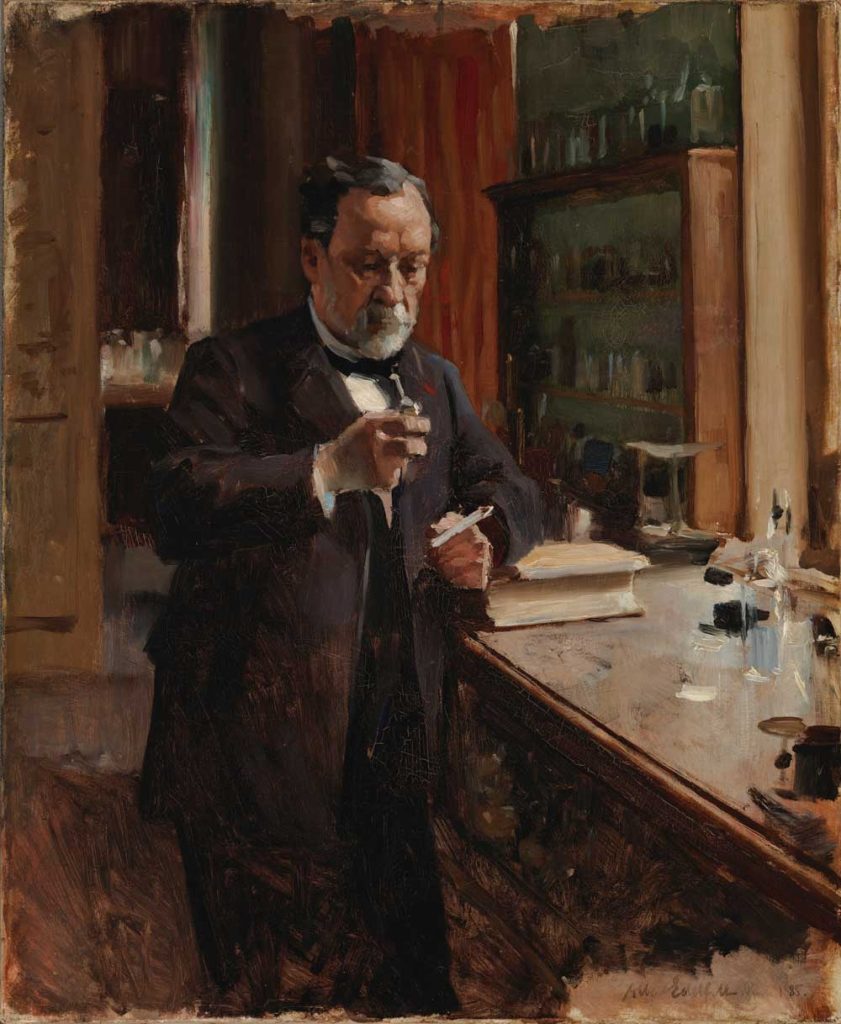
Figure 2 Portrait of Louis Pasteur
Author

Senior Consultant, GMP Platform, CM Plus Corporation
After working in sterilization management, microbiology, and quality assurance at Johnson & Johnson, Creative Medic, and Boston Scientific, he joined CM Plus, Inc. in 2013.
While working for the medical device manufacturer above, he participated in the Health and Welfare Science Research Group and various sterilization-related committees as a specialist in ethylene oxide sterilization.
About GMP Platform (https://www.gmp-platform.com/)

*If you are using Google Chrome, right-click and select “Google Translate” on the article.