


What Are Bacteria 2-1
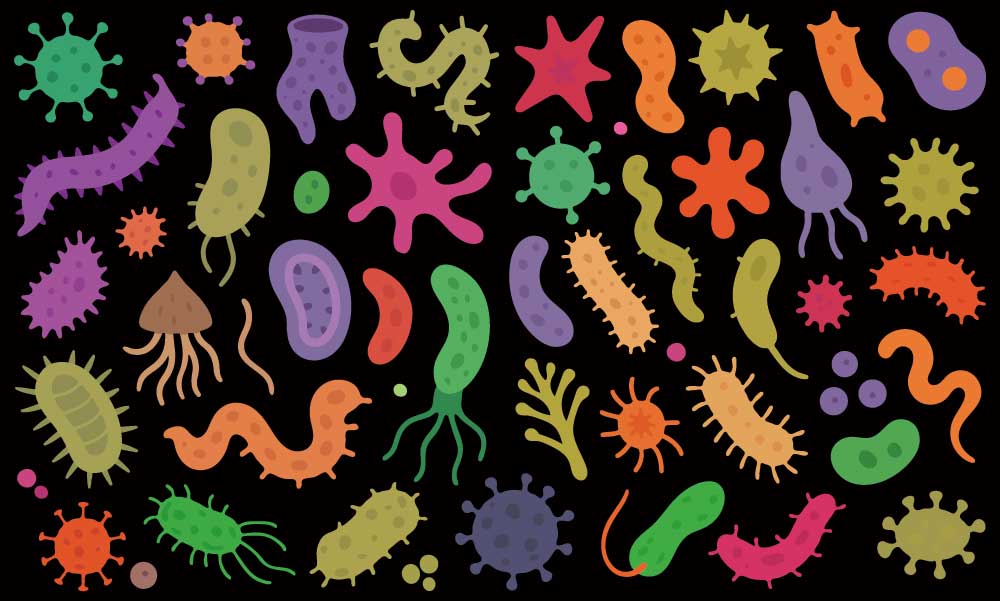
Bacteria are representative of microorganisms, and the term is widely known, but only few people may explain them clearly.
Living organisms are made of cells. Note) Cells are roughly divided into two types. Simply put, they can be called “lower organisms” and “higher organisms”, but they are prokaryotic cells without a cell nucleus and eukaryotic cells with intracellular structures such as a cell nucleus or mitochondria. Bacteria are representative of these lower prokaryotic cells. Incidentally, eukaryotic cells are cells of animals, plants, fungi, etc., and are considered higher organisms than prokaryotic cells.
Note) All living organisms from microorganisms such as bacteria to humans have cells as their basic unit. However, viruses do not have a cellular structure. This is also a point of debate as to whether viruses are living organisms or not.
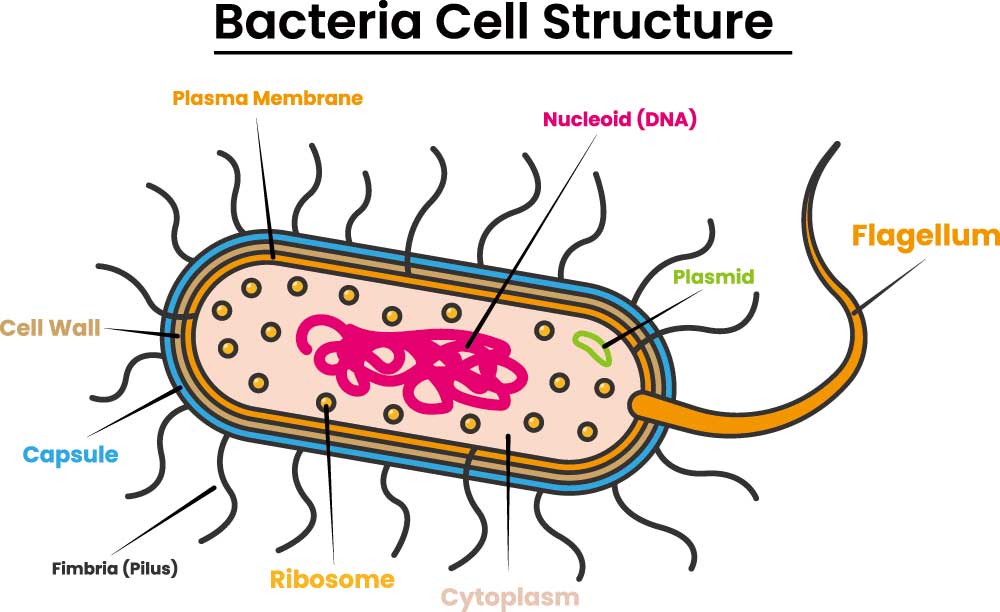
Bacterial cells are surrounded by a tough cell wall like an eggshell, and there is a cell membrane inside. Bacteria are “single-celled organisms” where each individual consists of one cell and reproduces by binary fission. The size of one cell is about 0.2 to several micrometers (1 μm = 1/1000 mm), and individual cells cannot be seen with the naked eye. Note)
Note) Recently, there have been reports that “giant white filamentous bacteria up to 2 cm in size have been discovered”, but this is an exception. Generally, the size of bacteria is at most several micrometers, so they cannot be seen with the naked eye.
Currently, bacteria are classified based on the base sequence of the 16S rRNA gene. However, historically, they were classified by their morphology and simple biochemical properties. Therefore, the shape and properties of bacteria are still important guidelines for understanding bacteria even today.
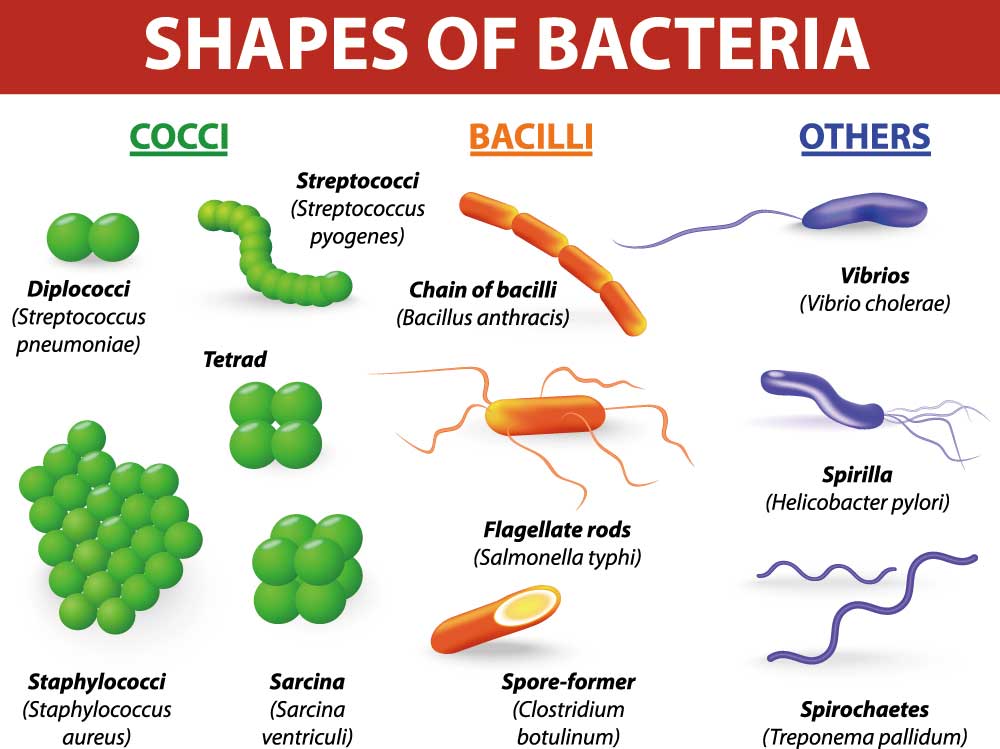
Bacteria are morphologically divided into cocci, bacilli, and spirilla. Cocci include Staphylococcus or Streptococcus, which are spherical like balls. Bacilli are long bacteria. There are various types, from those like rugby balls to rod-shaped ones. Spirilla are bacteria that appear twisted as their name suggests, and Treponema (the pathogen of syphilis) and Helicobacter pylori are well known.
Some bacteria have hair-like structures called flagella and pili. Flagella are thick, long hairs with 1 to several per cell, which are involved in motility. In other words, bacteria with flagella can swim using these flagella. Moreover, these flagella do not move left and right or up and down like a fish’s tail, but rotate like a ship’s propeller to move around. The swimming state of these bacteria can be observed with a phase-contrast microscope, and one is surprised by how fast they move around. On the other hand, pili are thin hairs that grow in large numbers on the cell surface. Known types include sex pili for bacteria to transfer DNA and adhesive pili for attaching to host cells.
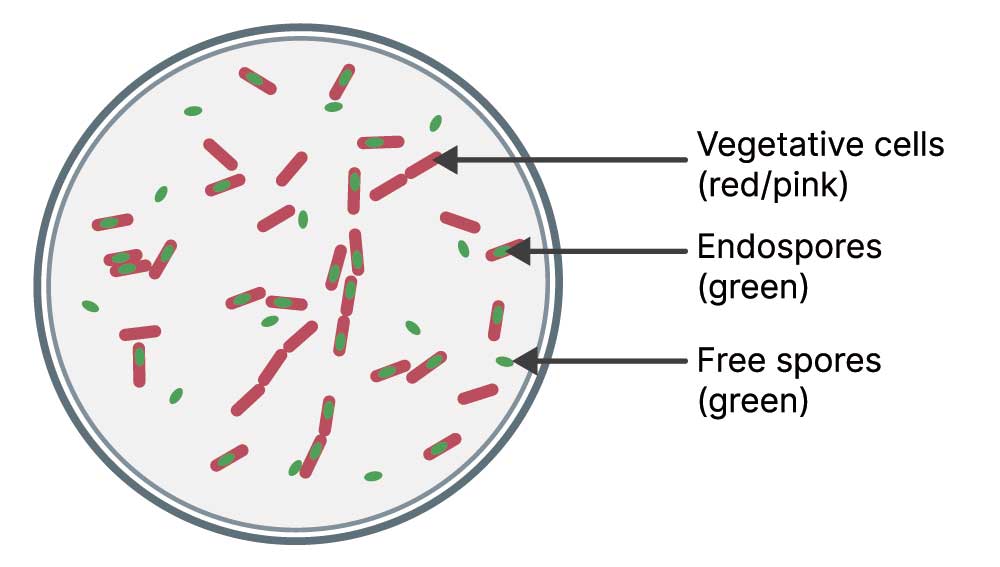
Some bacteria form structures called endspores when the surrounding environment deteriorates. Bacteria cannot proliferate in the endspore state, but endspores are durable cells and become extremely resistant to high temperatures, chemicals, drying, etc. When the surrounding environment becomes suitable for proliferation, endspores germinate into a proliferative form called vegetative cells and start to proliferate. Well-known spore-forming bacteria include the genus Bacillus (aerobic bacteria) and the genus Clostridium (anaerobic bacteria).
Bacteria are also divided into Gram-positive bacteria and Gram-negative bacteria by a staining method called Gram staining. This staining method was devised by Hans Christian Joachim Gram of Denmark and is an important indicator in bacterial classification. When bacteria are stained by this method, they can be divided into those that stain dark blue (Gram-positive bacteria) and those that stain red (Gram-negative bacteria). Gram-positive bacteria include Staphylococcus, Streptococcus, or Bacillus sp.. Gram-negative bacteria include Escherichia coli or Pseudomonas aeruginosa. This difference in staining properties is due to the difference in the cell wall structure of each bacterium. This staining method is still an extremely important operation widely used in microbial testing.
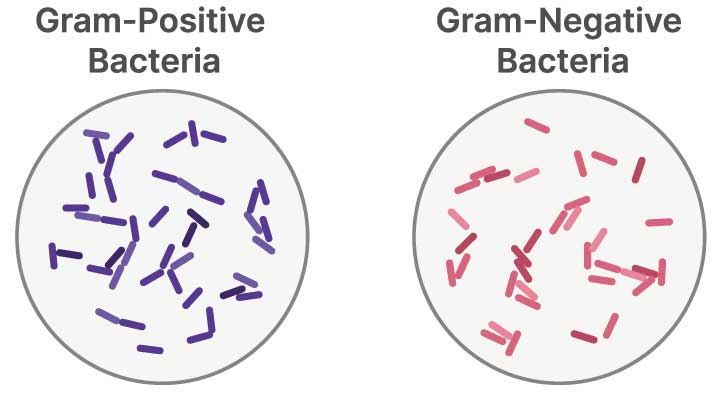
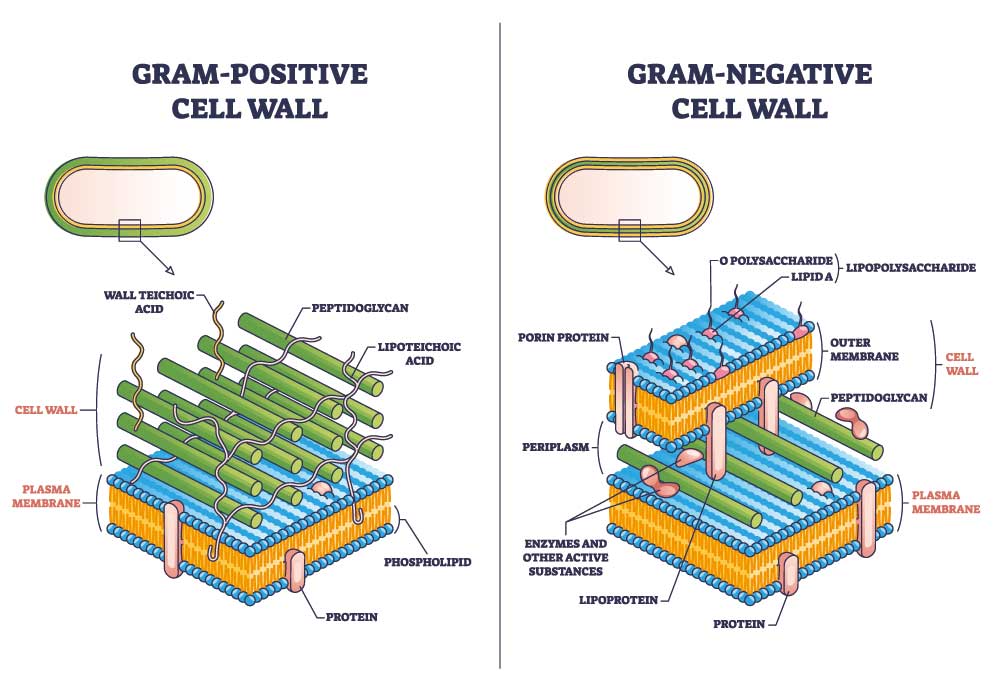
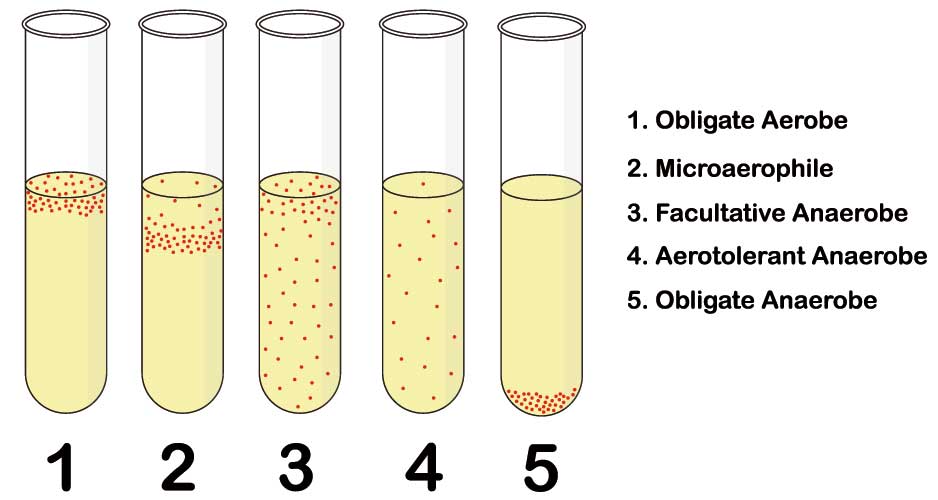
Furthermore, bacteria are divided into aerobic bacteria and anaerobic bacteria based on their oxygen requirement (whether oxygen is required for proliferation). Aerobic bacteria require air (O₂) for growth, and anaerobic bacteria do not grow in the presence of air. There are also bacteria called facultative anaerobic bacteria that can grow with or without air.
Author

Senior Consultant, GMP Platform, CM Plus Corporation
After working in sterilization management, microbiology, and quality assurance at Johnson & Johnson, Creative Medic, and Boston Scientific, he joined CM Plus, Inc. in 2013.
While working for the medical device manufacturer above, he participated in the Health and Welfare Science Research Group and various sterilization-related committees as a specialist in ethylene oxide sterilization.
About GMP Platform (https://www.gmp-platform.com/)

*If you are using Google Chrome, right-click and select “Google Translate” on the article.