


This article is an updated 2026 version of the popular 50-part Japanese series “Microorganisms, Too Embarrassed to Ask Others About!” (いまさら人には聞けない!微生物のお話), previously published on GMP Platform*.
Over the next several installments, I will explore a wide range of topics related to microorganisms, from the fundamentals to more in-depth insights that are not widely known even among professionals in the field.
Previously…
– Fundamentals of Microbiology [Part 2]
Properties of Microorganisms
Microorganisms play an extremely important role in decomposing substances in the Earth’s environment. If microorganisms did not exist and substance decomposition did not occur, we should be able to see fresh dinosaur corpses. In addition, microorganisms can not only decompose things but also produce other substances. Thanks to this, we can enjoy delicious wine and cheese.
On the other hand, some microorganisms are pathogenic. Pathogenic microorganisms (pathogens) infect various animals and plants including humans and cause diseases. This is an infectious disease. And it is also microorganisms that produce antibiotics often used as therapeutic agents for bacterial infections.
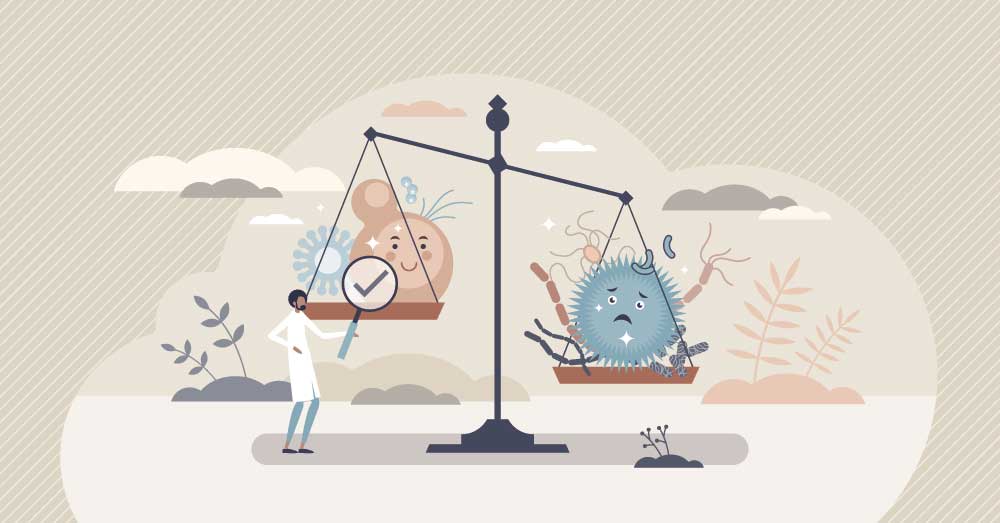
In this way, microorganisms have both positive and negative aspects for us humans. While we can live a prosperous life by making good use of the properties of microorganisms, we may also suffer great damage from the harm caused by microorganisms.
We often hear the question “Are microorganisms our enemies or friends?” But as can be seen from the above examples, it is impossible to unilaterally argue whether they are enemies or friends. However, in the world of medical devices and pharmaceuticals, microorganisms are basically “enemies”. Of course, there are many pharmaceutical active ingredients produced using microbial fermentation, so they may be considered friends. But even in that case, microorganisms other than the target bacterial species should not exist and are enemies.
Author

Senior Consultant, GMP Platform, CM Plus Corporation
After working in sterilization management, microbiology, and quality assurance at Johnson & Johnson, Creative Medic, and Boston Scientific, he joined CM Plus, Inc. in 2013.
While working for the medical device manufacturer above, he participated in the Health and Welfare Science Research Group and various sterilization-related committees as a specialist in ethylene oxide sterilization.
About GMP Platform (https://www.gmp-platform.com/)

*If you are using Google Chrome, right-click and select “Google Translate” on the article.